

An unexpected bonus of making The Shadow has been coming across snippets of history I find very interesting – stories of people, places, and events I’d never heard of before. For example, this charming little short film called “The Boogie Woogie Dream,” and the historically consequential nightclub, Café Society.
I’m going to share how I stumbled onto this part of history, and how it might affect my film. The road to discovery wasn’t a straight shot, so hold on. I’m gonna weave.
The Beginning (Narratively, not Chronologically)
It started when I was reading The Shadow story The Star of Delhi by Walter Gibson. He used a term I didn’t know: cafe society.
Dwig was the pride of the night clubs. A member of cafe society, he never appeared in public until afternoon, and from then on, could be seen in what some columnists considered the “best places” in town.
According to the always trustworthy Wikipedia, this term was used in the U.S. after the end of prohibition to describe “people who tended to do their entertaining semi-publicly—in restaurants and nightclubs—and who would include among them movie stars and sports celebrities.”1 Or, to paraphrase something Jan Whitaker of the blog Restaurant-ing through history said, cafe society basically referred to rich people who wanted to be seen for their sophistication, not just their money.2
Wikipedia listed a few of cafe society’s favorite spots, and I immediately started searching for images of them.
Why? Ah, that’s where we pull in another thread.
Flashback to the Beginning (Chronologically)
Everything comes back to The Shadow. Well, of course it does; all I think about is this film.
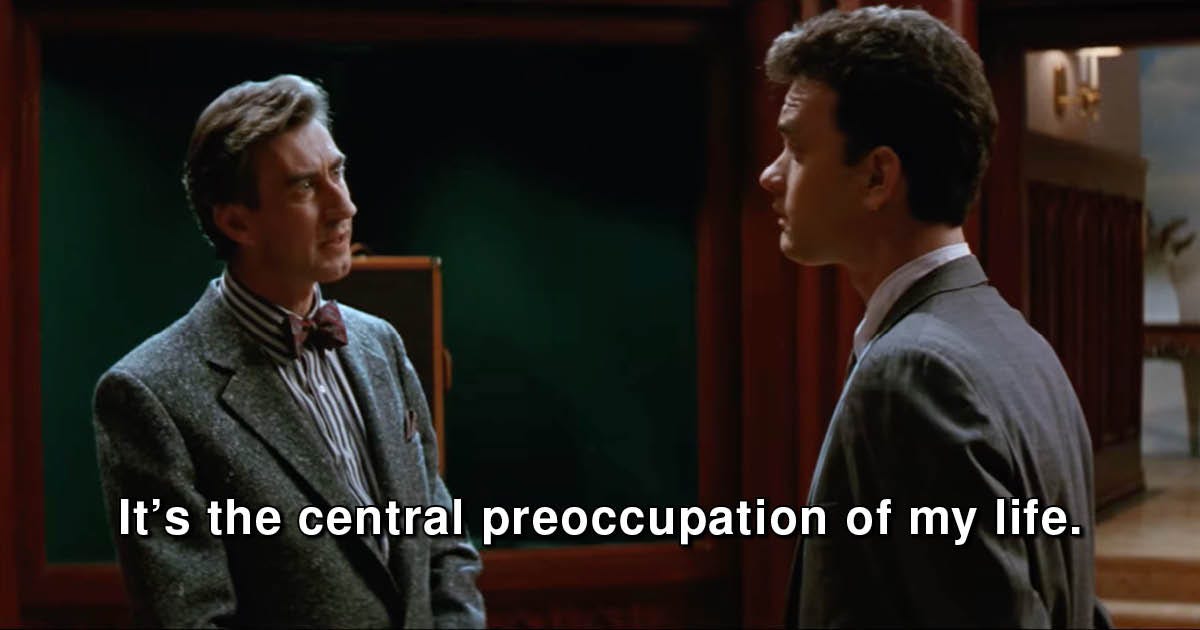
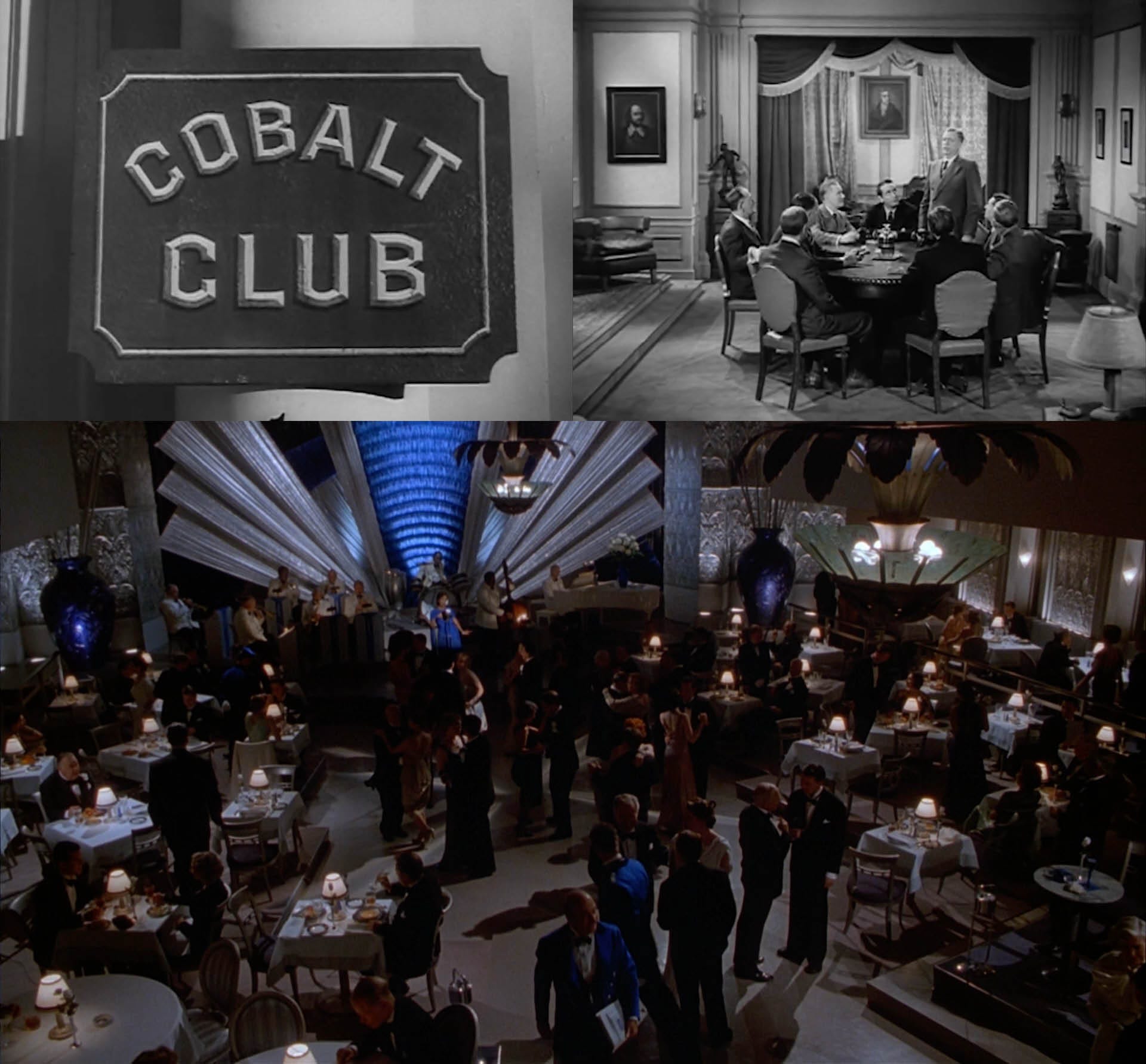
The Cobalt Club is an exclusive establishment that The Shadow frequents when he’s posing as Lamont Cranston, wealthy man about town. In The Shadow serial (1940), it’s a private club where New York’s richest and most powerful men gather. The 1994 film, however, depicts it as a nightclub.
I’ve been contemplating what I want the Cobalt Club to look like in my film. As part of my creative process, I collect pictures and texts for reference.
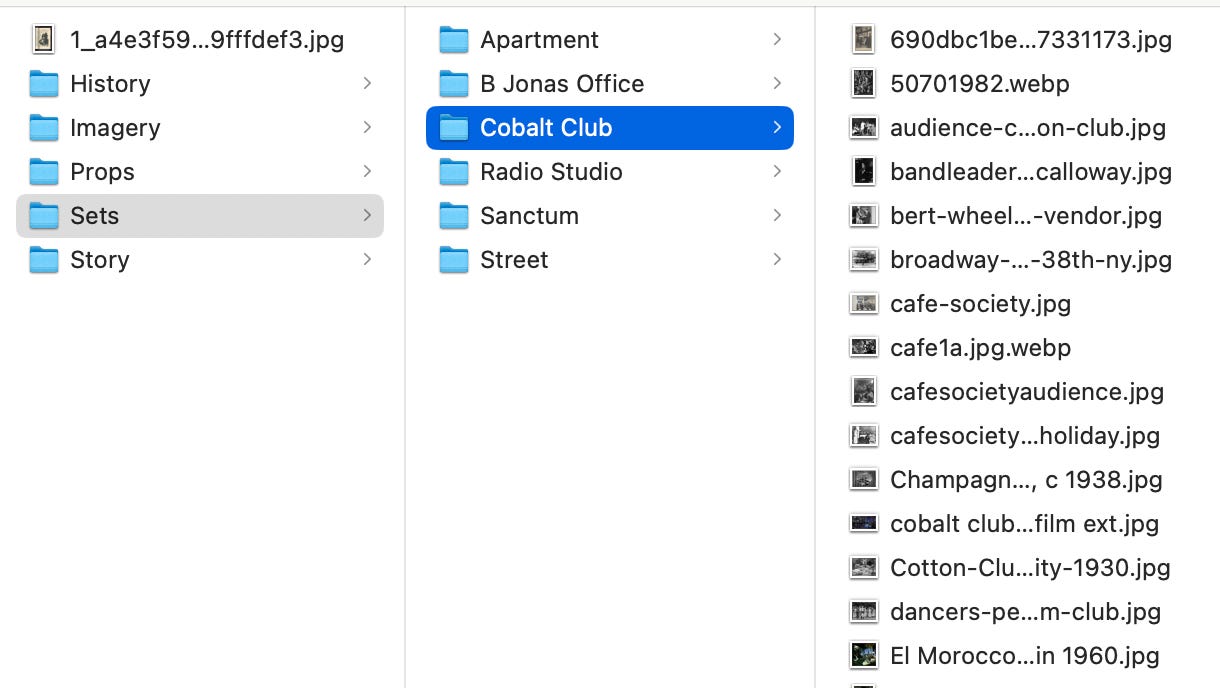
Before reading the Wikipedia article, I’d already looked into the famous Cotton Club for inspiration. After reading it, I suddenly had more things to Google:
21 Club 1930s
El Morocco 1930s
Stork Club 1930s
Latin Quarter nightclub
New York private clubs 1930s
1930s cafe society
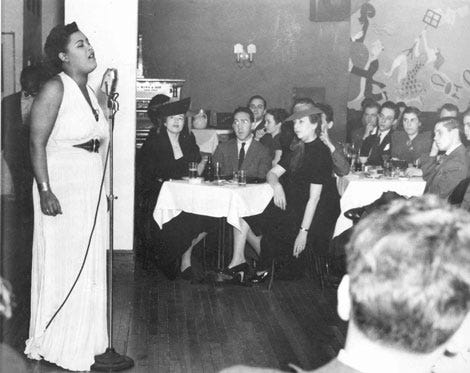
That’s how I learned about New York’s first integrated nightclub, a place literally named Café Society. It’s where Billie Holiday first performed the chilling protest song “Strange Fruit.”3
Back to the Middle
When Café Society opened in 1938, nightclubs were very segregated. Places like the Cotton Club were all too happy to feature black performers on stage, or let black people work in the kitchen, but let them sit in the audience?4,5 Maybe if they were celebrities. Lowercase cafe society was racist; uppercase Café Society was revolutionary.
You have to understand that the name was a joke.6 Owner Barney Josephson, a former shoe salesman, set out to make Café Society everything those other clubs weren’t:7
I wanted a club where blacks and whites worked together behind the footlights and sat together out front, a club whose stated advertised policy would be just that. There wasn’t, so far as I know, a place like that in New York, or in the whole country for that matter.
Inspired by the cabarets in Berlin and Prague, Josephson wanted to open his own kind of cabaret in New York City that celebrated American music: blues and jazz.8
But it wasn’t that I wanted only jazz. I wanted to make a statement, to make a social and political commentary.
Whereas the Cotton Club was decorated to evoke plantations and African jungles that leaned into racist stereotypes,9 Café Society covered its walls with murals lampooning the rich.10 The club billed itself as “the wrong place for the Right people.”
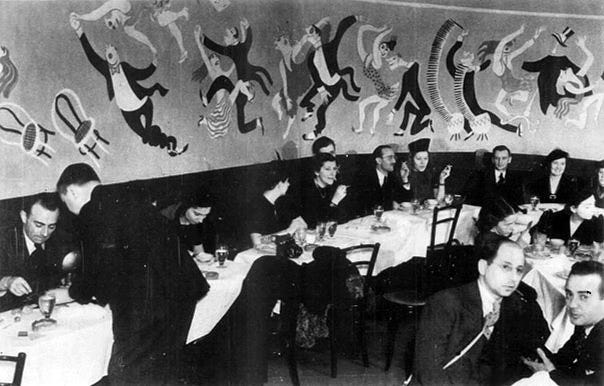
Musicians were treated differently, at Café Society, too. Josephson offered his artists steady employment and no contracts unless they wanted them, and encouraged his employees to join unions.11
These leftist policies put Josephson and his brother Leon in the crosshairs of the House Un-American Activities Committee.12 By 1950, Café Society’s two locations closed,13 victims of the Red Scare.14 But while it lasted, it was the launch pad for musicians like Billie Holiday, Big Joe Turner, and Lena Horne.15
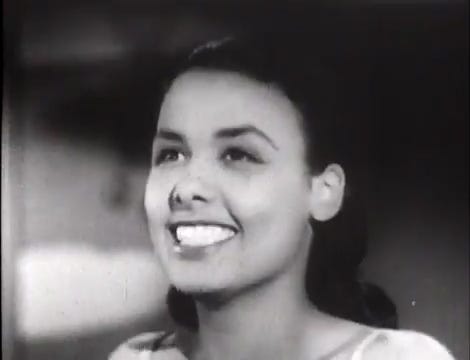
A big source for this article was pleasekillme.com, and that’s where I saw “The Boogie Woogie Dream.” Their page has many more musical performances if you want to check it out.
Conclusion
I don’t know that I would have learned about any of this if I hadn’t been working on this movie. Sure, I’ve heard the song “Strange Fruit,” most people probably have, but I didn’t know any of these details. Will any of this make it into The Shadow? I can’t say. But it does provide some background and gives me a sense of what that period of American history was like. It also helps to look at it through the lens of where we are now to see how we got here, and get a 30,000-foot view of the past.
If you’re interested in hearing more about the interesting things I’ve found while researching history, let me know by commenting on this story! And if you haven’t yet, please follow The Shadow on Kickstarter so you’ll be notified when it launches.
https://en.wikipedia.org/wiki/Café_society
https://restaurant-ingthroughhistory.com/2025/04/27/music-food-at-cafe-society/
https://www.pbs.org/wnet/americanmasters/the-story-behind-billie-holidays-strange-fruit/17738/
https://restaurant-ingthroughhistory.com/2025/04/27/music-food-at-cafe-society/
https://pleasekillme.com/cafe-society-nyc/
https://nypost.com/2016/07/15/nycs-first-integrated-nightclub-was-a-30s-celeb-magnet/
https://pleasekillme.com/cafe-society-nyc/
Ibid.
https://allthatsinteresting.com/cotton-club#18
https://pleasekillme.com/cafe-society-nyc/
Ibid.
https://villagepreservation.org/2015/12/30/cafe-society-the-wrong-place-for-the-right-people/
https://www.boweryboyshistory.com/2021/03/friday-night-fever-cafe-society.html
https://nypost.com/2016/07/15/nycs-first-integrated-nightclub-was-a-30s-celeb-magnet/
https://pleasekillme.com/cafe-society-nyc/